The Rising Threat of Counterfeit £20 Notes
In recent months, a significant surge in counterfeit £20 notes has prompted warnings from police forces across the UK.
February 28, 2026 18:12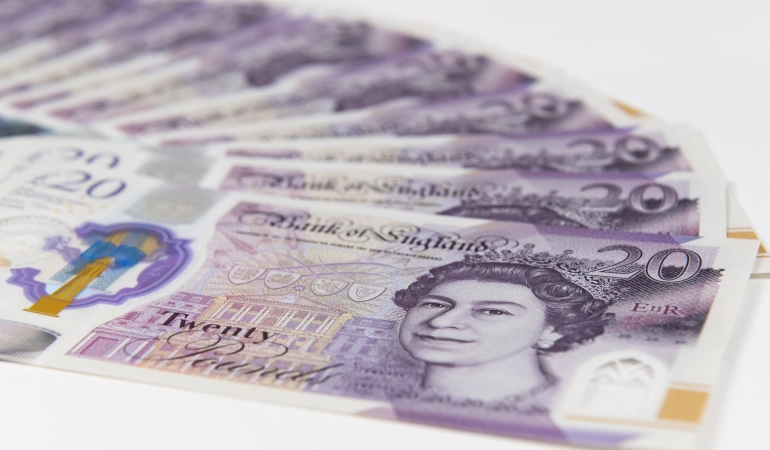
A Guide to Detection and Prevention
This escalating issue, particularly affecting private transactions conducted online, highlights the critical need for individuals to be vigilant when handling cash. This article delves into the methods used by counterfeiters, provides a comprehensive guide to identifying fake notes, and outlines crucial steps to take if you encounter one.
The Shifting Landscape of Counterfeiting
Traditionally, counterfeit money has been a concern primarily for retail environments, where staff are trained to detect fraudulent currency. However, recent reports indicate a worrying trend: private sellers engaging in online transactions are increasingly becoming targets.
Leicestershire Police, for instance, reported over 30 incidents where individuals received fake banknotes after selling items online, often at their homes
. Similar warnings have been issued by Nottinghamshire Police and authorities in Cornwall, where a seller was defrauded of £4,700 for a bicycle using counterfeit cash
.
This shift underscores the importance of individual awareness, as the burden of detection now falls more heavily on the general public.
How to Spot a Counterfeit £20 Note
The Bank of England has incorporated several advanced security features into the polymer £20 note to deter counterfeiting. Familiarizing yourself with these features is the most effective way to protect yourself
.Key Security Features:
•Holographic Window: Genuine polymer £20 notes feature a large, transparent window with a portrait of King Charles III or Queen Elizabeth II inside. The value of the note and the words "Bank of England" are printed twice around the edge of this window. The window should be clear and sharply defined, not cloudy or blurred .
.
•Tilt the Foil (Hologram Image Change): On the front of the note, there is a silver foil patch with a hologram. When the note is tilted, the words within this hologram should change between "Twenty" and "Pounds" . This image shift should be clean and distinct.
. This image shift should be clean and distinct.
•Raised Print: Authentic banknotes have raised print that can be felt by touch. Specifically, the words "Bank of England" and the numerical value in the bottom right corner should have a textured feel. A completely smooth surface is a strong indicator of a fake .
.
Other Important Security Features:
•Purple Foil Patch: On the back of the note, directly behind the silver crown on the front, there is a round, purple foil patch containing the letter 'T' .
.
•Monarch's Portrait in See-Through Window: A detailed portrait of the monarch is printed on the window, with '£20 Bank of England' printed twice around its edge .
.
•Silver Foil Patch (3D Coronation Crown): Above the main see-through window on the front of the note, a silver foil patch contains a 3D image of the coronation crown .
.
•Print Quality: Genuine notes exhibit sharp, clear lines and colors, free from smudges or blurred edges. Under magnification, the value of the note can be seen in small letters and numbers below the monarch's portrait .
.
•Ultra-violet Number: When viewed under a good quality ultra-violet light, the number '20' should appear in bright red and green on the front of the note, contrasting with a duller background .
.
The Unreliability of Counterfeit Pens
It is crucial to note that so-called "counterfeit detection pens" are no longer reliable for polymer notes. These pens were designed for older paper banknotes, and their effectiveness on the new polymer currency is minimal
. Relying on these pens can provide a false sense of security, making it even more important to check the built-in security features manually.
What to Do if You Suspect a Counterfeit Note
If you believe you have received a counterfeit banknote, it is essential to act responsibly. According to the Bank of England, you cannot be reimbursed for counterfeit banknotes, meaning you will bear the financial loss
. Therefore, prevention is key. If you do encounter a suspicious note, you should:
1.Do not try to spend it: Passing on a counterfeit note, even unknowingly, is a criminal offense .
.2.Report it to the police: Take the suspected counterfeit note to your local police station and report the incident. They will confiscate the note and investigate its origin .
.Safer Payment Alternatives
To mitigate the risk of receiving counterfeit currency, consider opting for alternative payment methods, especially for high-value transactions. Bank transfers, for example, create a digital trail, eliminating the risk associated with physical cash
. If cash is unavoidable, always take the time to carefully count and inspect each note before completing the transaction.
The proliferation of counterfeit £20 notes, particularly in private online sales, demands increased public awareness and vigilance. By understanding and checking the security features embedded in genuine banknotes, and by being aware of the proper procedures for handling suspected counterfeits, individuals can protect themselves from financial loss and contribute to curbing this criminal activity.
User Comments (0)
No comments added yet.
Comments will not be approved to be posted if they are SPAM, abusive, off-topic, use profanity, contain a personal attack, or promote hate of any kind.





Recommended for you.

Recommended for you.

Recommended for you.

Recommended for you.