Fuel Prices in 2026: Causes, Impacts, and What to Expect
Fuel prices remain one of the most closely watched economic indicators worldwide. Whether for transportation, industry, or household energy needs, changes in fuel costs directly affect businesses and consumers.
March 06, 2026 08:13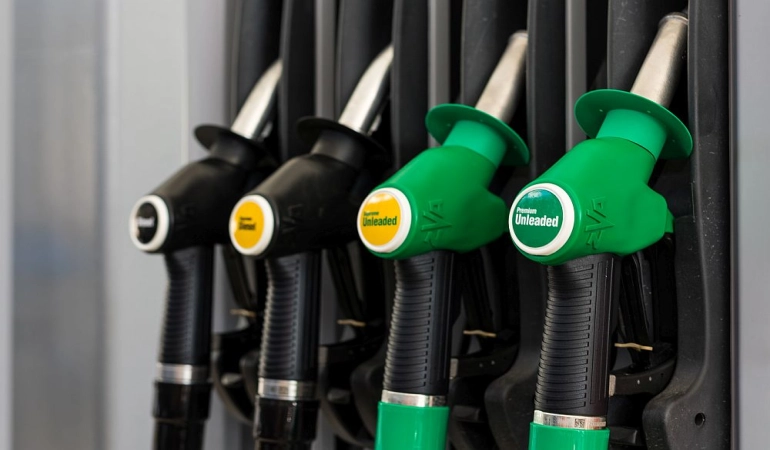
Fuel Prices in 2026: Causes, Impacts, and What to Expect
Fuel prices remain one of the most closely watched economic indicators worldwide. Whether for transportation, industry, or household energy needs, changes in fuel costs directly affect businesses and consumers alike. In recent years, fluctuations in fuel prices have been influenced by geopolitical tensions, supply chain disruptions, global demand, and energy transition policies.
Current Trends in Fuel Prices
As of 2026, fuel prices in many countries continue to experience moderate volatility. While prices are not as extreme as the spikes seen during global crises earlier in the decade, they remain higher than historical averages in several regions. Petrol and diesel costs have been influenced by oil production levels, refinery capacity, and taxation policies set by governments.
In Europe and the United Kingdom, fuel prices are particularly sensitive to global crude oil markets and currency exchange rates. When the price of crude oil rises internationally or when the local currency weakens against the U.S. dollar, consumers often experience higher prices at the pump.
Factors That Influence Fuel Prices
Several key factors determine how much consumers pay for fuel:
1. Crude Oil Prices
Crude oil is the primary raw material used to produce petrol, diesel, and other fuels. Changes in global oil production, especially by major oil-producing countries, can significantly impact fuel prices.
2. Supply and Demand
When global demand for energy increases such as during economic growth or peak travel seasons fuel prices tend to rise. Conversely, lower demand can lead to price reductions.
3. Taxes and Government Policies
In many countries, a large portion of fuel prices comes from taxes. Governments may adjust fuel duties or introduce environmental levies, which can raise or lower the final price consumers pay.
4. Refining and Distribution Costs
Before reaching consumers, crude oil must be refined into usable fuels and transported to stations. Refinery maintenance, transportation costs, and supply chain disruptions can influence retail prices.
5. Geopolitical Events
Conflicts, sanctions, and political instability in oil-producing regions can disrupt supply and push prices upward. Energy markets often react quickly to global political developments.
Impact on Consumers and Businesses
High fuel prices affect multiple sectors. For households, rising petrol and diesel costs increase the expense of commuting and travel. For businesses especially logistics, aviation, and agriculture fuel is a major operating cost. When prices rise sharply, companies often pass some of these costs on to consumers through higher product prices.
Public transportation and delivery services also feel the impact. In many countries, governments sometimes introduce subsidies or temporary tax reductions to ease the burden on citizens during periods of high fuel costs.
The Shift Toward Alternative Energy
Another factor shaping fuel prices is the global transition toward renewable energy and electric vehicles. As governments invest more in sustainable energy sources and encourage electric vehicle adoption, long-term demand for traditional fuels may gradually decline.
However, the transition is expected to take decades. In the meantime, oil and fuel markets will continue to play a central role in the global economy.
Future
Experts predict that fuel prices will remain somewhat unpredictable in the coming years. Factors such as global economic recovery, environmental regulations, and technological advances in energy production will continue to shape the market.
For consumers, strategies such as using fuel-efficient vehicles, carpooling, and adopting alternative transportation methods can help reduce the financial impact of rising fuel costs.
Fuel Prices
Fuel prices are influenced by a complex combination of economic, political, and environmental factors. While short-term fluctuations are common, the long-term trend is being shaped by both global energy demand and the growing shift toward cleaner energy sources. Understanding the forces behind fuel prices can help individuals and businesses better prepare for changes in the energy market.
UK fuel prices
| Average | Lowest | Highest | |
|---|---|---|---|
|
Diesel
|
148p
|
129.9p
|
245.9p
|
|
Petrol
|
136.5p
|
121.9p
|
169.9p
|
Prices are updated daily and are correct as of 06 March 2026. Prices shown are from participating retailers across the UK. The lowest prices may not be available in your area.
Check UK fuel prices by post code here
User Comments (0)







Recommended for you.

Recommended for you.

Recommended for you.

Recommended for you.