

100 BBC Staff Prepare Emergency Radio Studio to Keep UK Informed During Nationwide Blackout
The BBC has emergency plans to maintain radio broadcasts during a nationwide UK blackout, with backup generators, secure communications and three days of supplies.
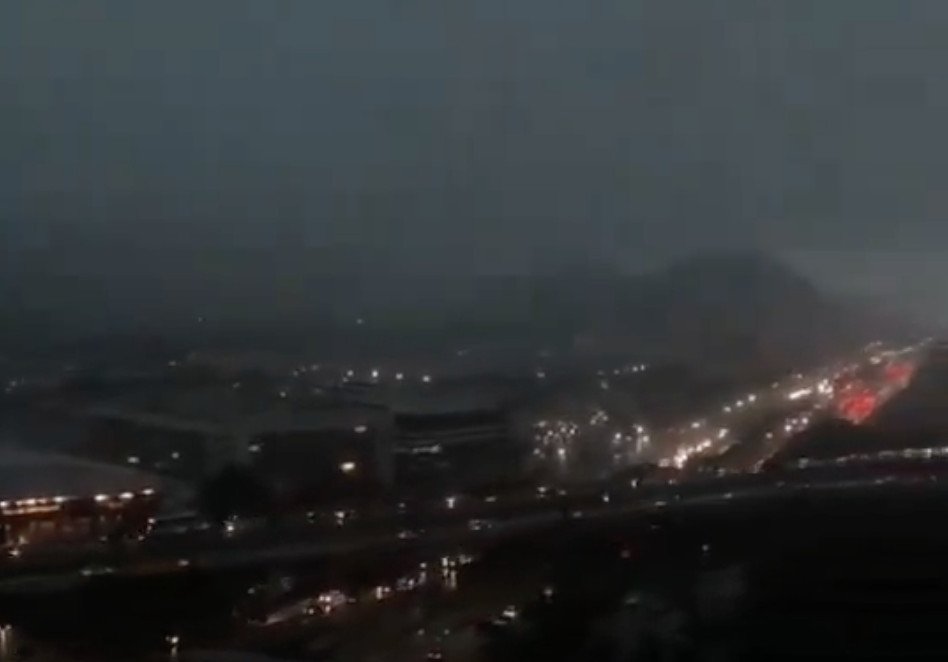
The BBC has contingency plans to keep radio broadcasts running during a major nationwide power outage, with a dedicated emergency studio designed to operate independently of the internet and other disrupted communications networks.
The plans, described in recent reporting about the UK's emergency preparedness arrangements, could see around 100 BBC staff operate a specially equipped radio studio if a major electricity failure left the country without power.
The emergency facility would reportedly have secure communication systems that do not rely on the internet, alongside sufficient food, water and fuel to allow staff to continue broadcasting for at least three days without resupply.
The broadcasts would provide essential information and practical instructions to the public during an emergency, particularly if mobile phone networks, internet services and television transmissions became unavailable.
The BBC's emergency broadcasts would include pre-prepared public health messages developed by the UK's four Chief Medical Officers. These scripts have already been published by the Government and cover essential advice on water supplies, food, sanitation and staying safe during a prolonged power outage.
The guidance includes instructions on how much water people should drink each day, how to make alternative water sources safer and how to manage household waste if normal toilet flushing systems stop working.
According to the published advice, adults should aim to drink around two litres of fluid each day. It also explains how households should manage limited water supplies and maintain basic hygiene if normal services are disrupted.
The emergency broadcasting arrangements would also involve radio transmission sites operating independently of the electricity grid. Reports indicate that some transmission towers have backup diesel generators, with fuel storage intended to keep broadcasts running for approximately three days.
Satellite-equipped BBC vehicles and selected journalists at emergency centres around the UK would provide additional information from different locations, helping maintain communication with the public for as long as the available resources allow.
Radio has been identified as a particularly important communication method because it can continue operating when internet-based services and mobile networks are unavailable. FM radio receivers, including battery-powered and wind-up devices, could allow households to receive important updates without mains electricity.
The reported contingency arrangements also include satellite phones for communication between emergency teams, alongside pre-agreed procedures and meeting points should normal communication systems fail.
The planning comes against the background of growing attention to the potential consequences of widespread electricity failures. Although a nationwide blackout is considered very unlikely, the Government recognises that an extended outage could affect water supplies, sewage systems, fuel distribution, electronic payments and communications.
For residents in Salisbury, Amesbury and across Wiltshire, the plans highlight the importance of having alternative ways to receive information if everyday services become unavailable.
Government advice encourages households to keep a battery-powered or wind-up radio, spare batteries, torches, bottled water and non-perishable food. People are also advised to consider the needs of children, older relatives, pets and anyone who relies on electrically powered medical equipment.
The Government's emergency preparedness website explains that while most power cuts are relatively short, more widespread outages could potentially last several days. Being prepared in advance can help households manage disruption while essential services are restored.
The BBC's reported planning is designed to ensure that important public information can still reach people during an extraordinary national emergency, even when much of the country's normal communication infrastructure is unavailable.
Where to find the official guidance
The Department of Health and Social Care published the public health scripts on 16 December 2025. They can be accessed online:
Further household preparedness advice is available at:
https://prepare.campaign.gov.uk/be-informed-about-hazards/power-cuts/

Editor & Founder | SalisburyPost Passionate about local journalism, I am dedicated to delivering trusted news and strengthening connections across Salisbury, Wiltshire and the wider UK . Through SalisburyPost, I aim to keep residents informed, celebrate community achievements, and highlight the stories that matter most to local people.














Comments (0)