

Tesla Unveils Flying Roadster as Elon Musk Promises a Glimpse of the Future (Video)
Tesla unveils its experimental flying Roadster with SpaceX-inspired thrusters. Discover its technology, expected 2028 production and road-use restrictions.
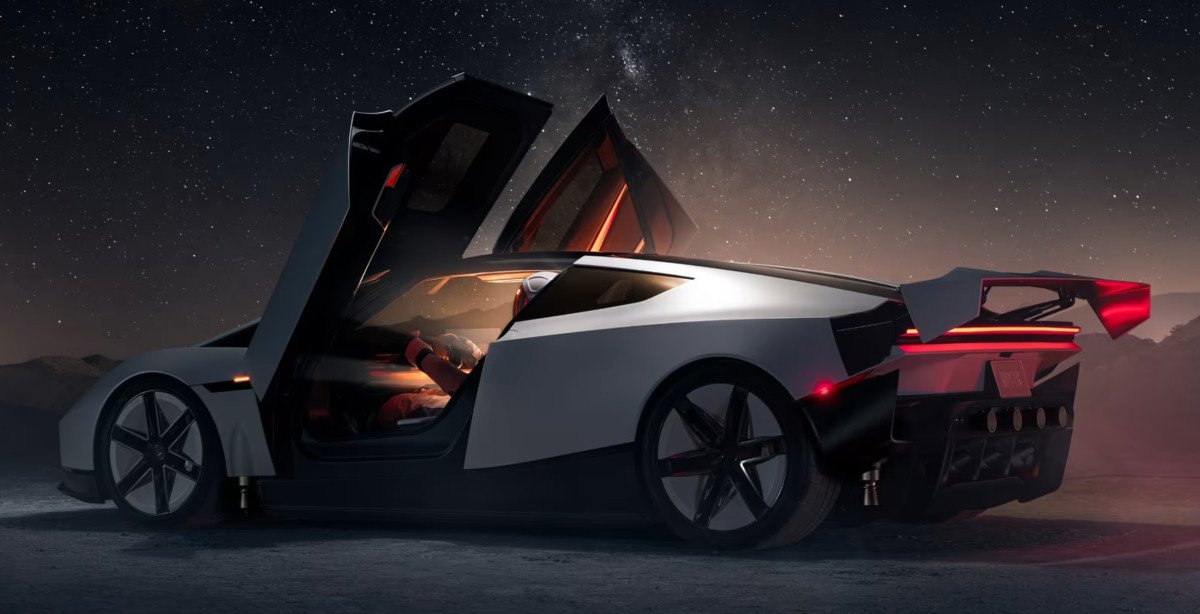
Tesla has unveiled a dramatic new version of its long-awaited Roadster electric sports car, featuring rocket-inspired technology that allows the vehicle to briefly lift into the air and perform aerial manoeuvres.
The demonstration took place at a SpaceX facility in Texas on Thursday, 15 October, with Tesla chief executive Elon Musk presenting the vehicle as a glimpse of what could be possible when automotive engineering meets aerospace technology.
The event attracted attention for its unusual display, which showed the Roadster travelling along a specially designed ramp, turning upside down and launching into the air before rotating and landing back on its wheels.
Unlike conventional electric cars, the experimental vehicle uses cold-gas thrusters developed with SpaceX technology. The system is designed to provide additional thrust, allowing the car to perform manoeuvres that would be impossible for an ordinary road vehicle.
Tesla also demonstrated a suction-based system that helps the car travel along an inverted surface during the demonstration. Together with its aerodynamic features, the technology represents an ambitious attempt to push the boundaries of electric performance.
Musk has previously discussed the possibility of a flying Tesla Roadster, but the latest demonstration has brought the idea into the spotlight once again. The vehicle is still a specialised concept rather than a conventional flying car available to the public.
Tesla claims the new Roadster could accelerate from zero to 60 mph in less than a second in its most advanced configuration. However, the headline performance figures and capabilities have yet to be independently verified.
The company is targeting production in 2028, although important details about the final production model, customer deliveries and pricing remain uncertain. Tesla has previously announced ambitious timelines for the Roadster, meaning potential buyers will be watching closely to see whether the latest plans become reality.
The most advanced version, known as the Rocket configuration, is expected to feature the full thruster system. It is being presented as a specialist, invitation-only option rather than a standard electric sports car.
There is also an important distinction between a vehicle that can briefly lift off the ground and an aircraft capable of sustained flight. The Roadster demonstration does not mean that motorists will soon be able to fly between towns or bypass traffic using ordinary Tesla vehicles.
Regulatory approval is another major obstacle. The rocket-equipped version has been described as not approved for public-road use, raising questions about where it could legally operate and how its technology might be used outside controlled demonstrations.
For British motorists, the announcement is an example of how rapidly electric vehicle technology continues to develop. However, the new Roadster is unlikely to have an immediate impact on everyday driving in the UK, where road safety requirements, vehicle regulations and practical considerations remain essential.
Whether Tesla's flying Roadster eventually becomes a production reality remains to be seen. For now, the demonstration offers a striking look at an experimental vehicle that combines electric motoring with technology more commonly associated with rockets.
As Tesla works towards its proposed 2028 production target, the key questions will be whether the technology can be delivered reliably, whether the final car will meet relevant regulations and whether its extraordinary performance can translate into a practical product.

Editor & Founder | SalisburyPost Passionate about local journalism, I am dedicated to delivering trusted news and strengthening connections across Salisbury and Wiltshire. Through SalisburyPost, I aim to keep residents informed, celebrate community achievements, and highlight the stories that matter most to local people.
















Comments (0)