

Salisbury History Explained: From Old Sarum to the 1227 Royal Charter
How did Salisbury begin? A short guide to the city's history, from the hillfort at Old Sarum to the founding of the cathedral in 1220 and the Royal Charter of 1227.
Salisbury's story begins on a hill north of today's city. Old Sarum, now an English Heritage site, was an Iron Age hillfort that later became a major medieval settlement.
After the Norman Conquest, a castle and a cathedral were built at Old Sarum. For a time it was the centre of religious and political life in the area, but the site was exposed and cramped, and tensions grew between the clergy and the castle garrison.
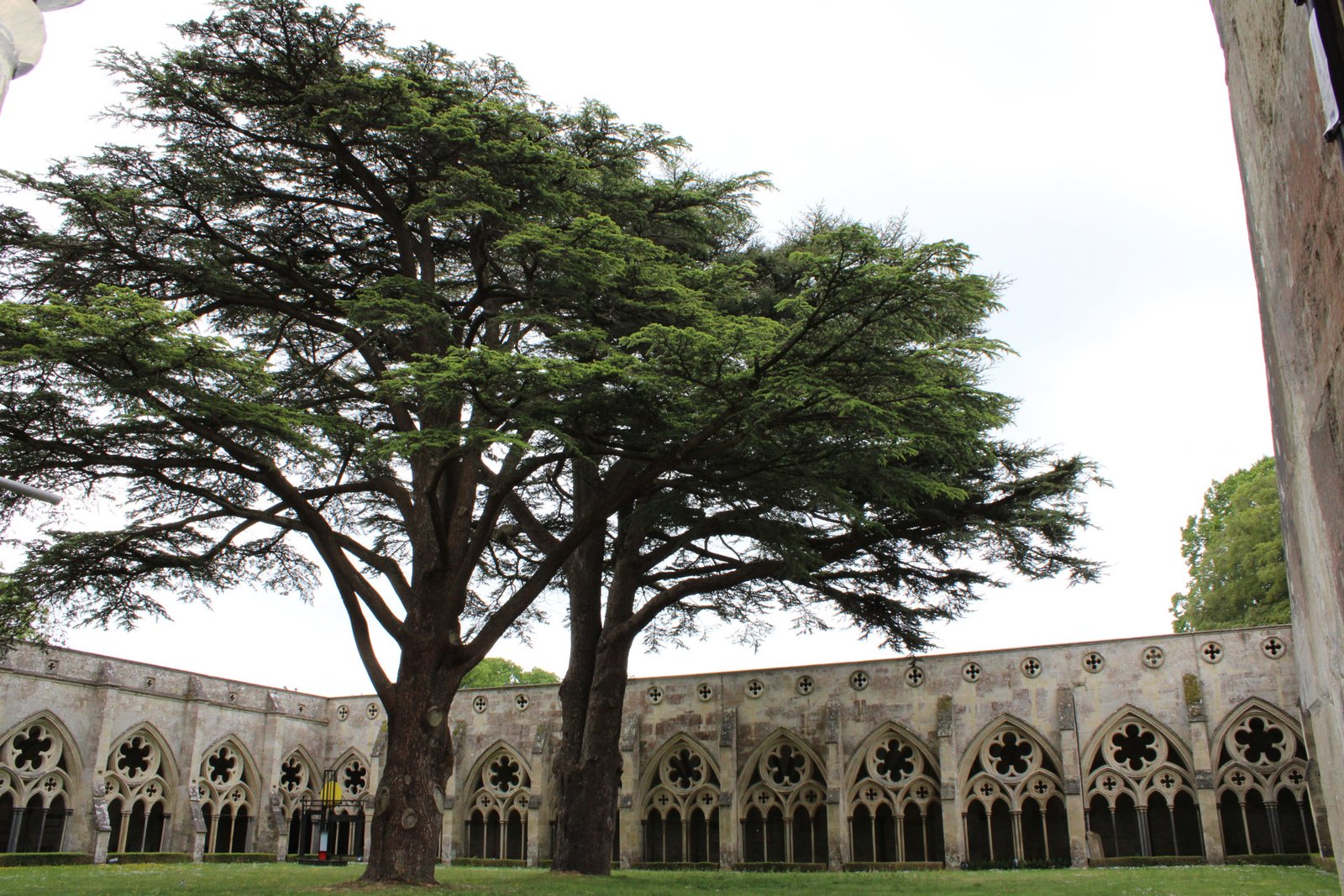
In 1220, the cathedral's foundation stones were laid on a new site in the valley, beside the River Avon. The new settlement became known as New Sarum, and later simply Salisbury.
The cathedral was built remarkably quickly, with the main body completed in less than 40 years. That speed gave it a rare unity of style, known as Early English Gothic.
The 123-metre spire was added in the 14th century and remains the tallest in the UK. The cathedral's medieval clock, made in 1386 or earlier, is also believed to be the world's oldest working mechanical clock.
In 1227, the city received its Royal Charter. This year's Salisbury 800 programme is built around the 800th anniversary of that charter, and Salisbury City Council says its celebrations will begin with Charter Sunday on 31 January 2027.
The charter helped shape life in the city and its markets. Salisbury's Charter Market, which trades on Tuesdays and Saturdays, traces its roots back to this period.
Salisbury's cathedral also holds one of four surviving original copies of Magna Carta from 1215, which draws visitors from around the world.
The wider landscape is also part of the story. Stonehenge lies on Salisbury Plain a short distance away, and the city has long been a gateway to the prehistoric monuments of the area.
Today, Salisbury's medieval street plan, Cathedral Close and market place remain at the heart of the city. For events and projects linked to the 800th anniversary, check the Salisbury 800 pages on the Salisbury City Council website.

Editor & Founder | SalisburyPost Passionate about local journalism, I am dedicated to delivering trusted news and strengthening connections across Salisbury, Wiltshire and the wider UK . Through SalisburyPost, I aim to keep residents informed, celebrate community achievements, and highlight the stories that matter most to local people.


















Comments (0)