

Picking blackberries could land you a £300 fine, but here's what the rules really say
Can you be fined £300 for picking blackberries in the UK? Here's what the rules say about foraging, private land, public spaces and picking wild fruit responsibly.
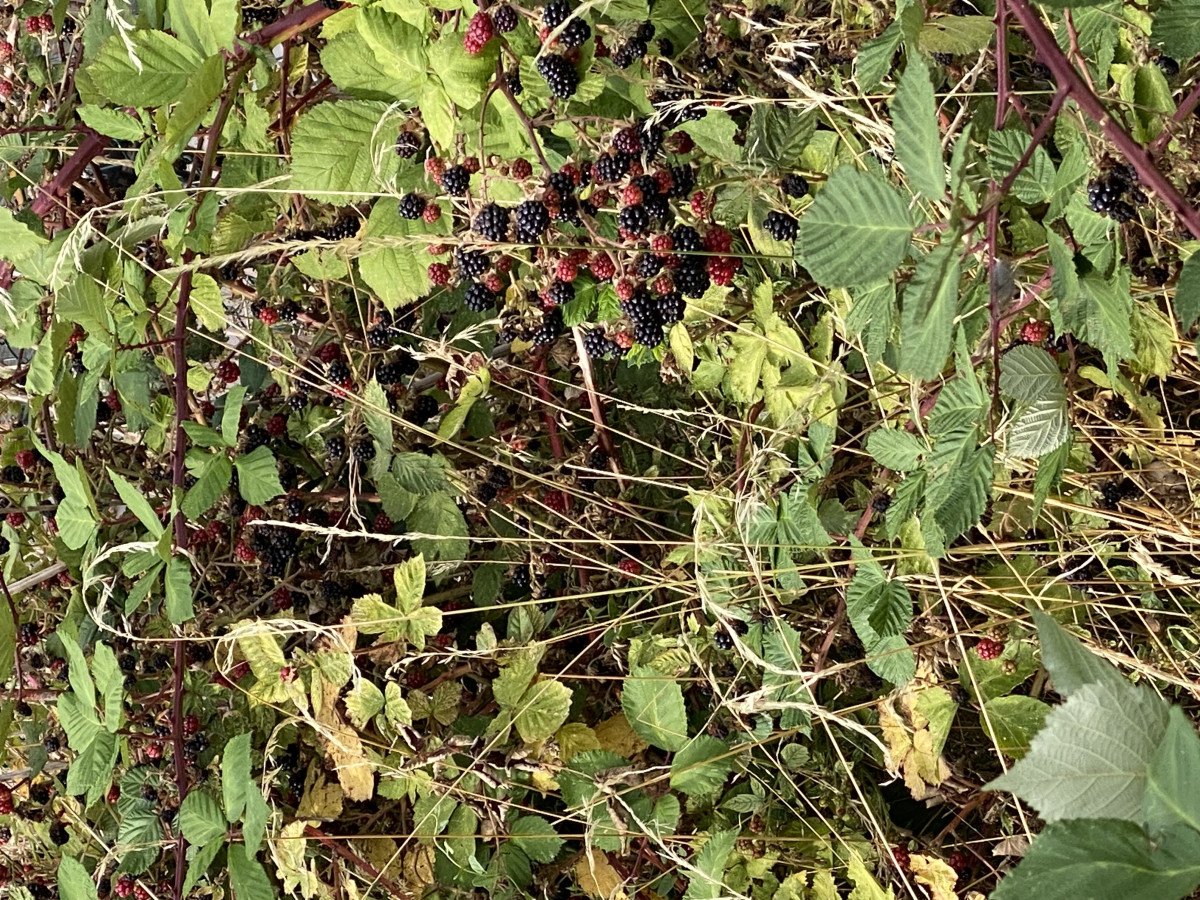
As late summer arrives, many people across the UK head outdoors to pick blackberries, one of Britain's most traditional wild foods.
However, warnings about a possible £300 fine for picking blackberries have been circulating, leaving some people wondering whether it is actually illegal to collect fruit growing in the wild.
The reality is more complicated.
In general, picking wild fruit such as blackberries is a long-established form of foraging, but where you pick them matters. People should not assume that they have permission to enter private land or remove plants and produce from someone's property.
The Woodland Trust says blackberrying remains one of the UK's most popular traditional foraging activities and encourages people to forage responsibly, only taking from plentiful sources and ensuring they can identify what they are collecting.
People should also be careful about where they collect food. Blackberries growing beside busy roads may be exposed to pollution, while berries in areas used heavily by dogs may present hygiene concerns.
There are also specific laws covering what can be removed from land, and rules can vary depending on the location and circumstances.
The widely reported £300 figure should therefore not be interpreted as a blanket fine simply for picking a blackberry.
Instead, people should make sure they are not trespassing, damaging plants or taking produce where they do not have permission.
Foraging responsibly means taking only what you need, avoiding rare or protected plants and leaving enough for wildlife and other people.
With blackberries currently in season, families can still enjoy one of Britain's traditional autumn activities, but it is sensible to check the rules applying to the land before filling a basket.
If you are picking blackberries on public land where foraging is permitted, stick to established paths and avoid areas where signs specifically prohibit collecting plants or fruit.
And, of course, only eat berries you can identify with certainty.
The Woodland Trust says blackberries are one of the most widely enjoyed wild foods in August and recommends sustainable foraging practices.

Editor & Founder | SalisburyPost Passionate about local journalism, I am dedicated to delivering trusted news and strengthening connections across Salisbury and Wiltshire. Through SalisburyPost, I aim to keep residents informed, celebrate community achievements, and highlight the stories that matter most to local people.


















Comments (0)