

UK households warned high energy bills could be here to stay
UK households face continued pressure from high energy bills, with prices rising in October and further increases possible during the winter.
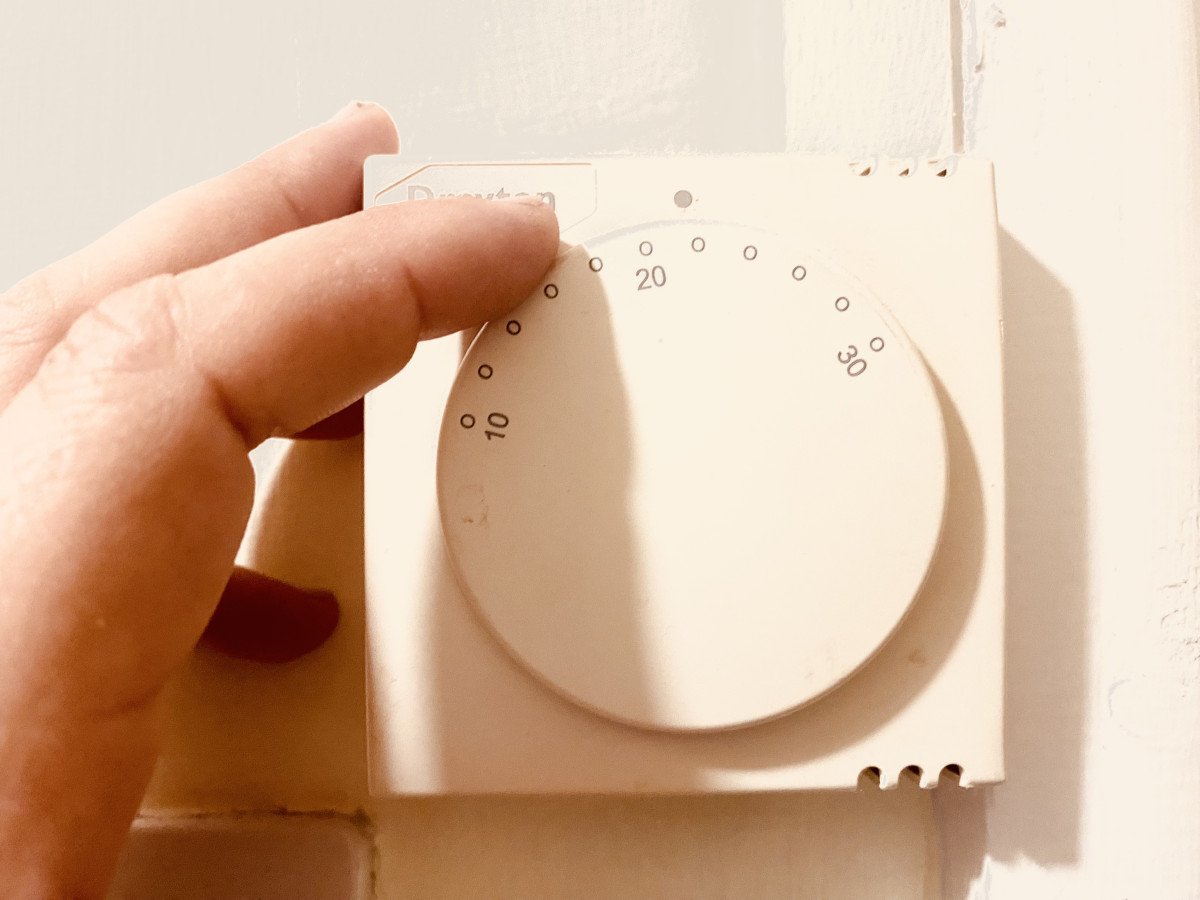
Millions of households across the UK are facing continued pressure from high energy bills, with energy prices expected to remain elevated despite efforts to reduce household costs.
Energy bills are set to rise by almost 4% in October, while analysts have warned that prices could increase further during the winter. Cornwall Insight has predicted a possible rise of around 9% in January, although future prices will depend on wholesale energy markets.
The continuing volatility in the international gas market is one of the main reasons behind the uncertainty. Gas remains an important part of the UK's energy system, meaning changes in wholesale prices can have a significant impact on household bills.
The cost of energy has already increased substantially compared with the period before the major energy crisis. The typical dual-fuel household bill is now around 70% higher than it was at the beginning of 2021, according to figures cited by the energy industry.
At the same time, energy debt is becoming an increasing concern. Unpaid household energy debt has reached record levels, with suppliers estimating that the total amount owed could reach £6 billion and potentially rise to £7 billion by the end of the year.
Even households that pay their bills on time can feel the impact because energy companies recover some of the cost of unpaid bills through charges included in energy prices.
Many families have already changed how they use energy to try to reduce their bills. Lowering thermostats, using appliances less frequently and making greater use of energy-efficient cooking and heating methods have become common.
However, not everyone can reduce their energy consumption easily. Older people and households with particular needs may require more heating and electricity, making high prices especially difficult to manage.
There are growing calls for the government to introduce additional support for households struggling with energy costs, including proposals for a discounted tariff for people on lower incomes or receiving certain benefits.
The government is also looking at longer-term ways to reduce the UK's dependence on gas by increasing renewable energy and investing in the electricity network.
However, moving towards a cleaner energy system will require significant investment, and the cost of upgrading infrastructure could itself place pressure on household finances.
With another rise expected in October and further uncertainty during the winter, many families will be watching the government's next Budget closely to see whether additional measures will be introduced to help with energy costs.
For households already struggling with the cost of living, the prospect of energy bills remaining high for years could mean continued pressure on family budgets.

Editor & Founder | SalisburyPost Passionate about local journalism, I am dedicated to delivering trusted news and strengthening connections across Salisbury and Wiltshire. Through SalisburyPost, I aim to keep residents informed, celebrate community achievements, and highlight the stories that matter most to local people.



















Comments (0)