

Why a walk in nature could be good for your health
Discover the benefits of walking in nature, from supporting physical fitness and improving mood to reducing stress and providing a chance to switch off from everyday life.

With busy lives, traffic, screens and work taking up much of our time, simply stepping outside for a walk in a park, woodland or countryside could be an easy way to look after both your body and mind.
Walking is one of the simplest forms of exercise, and the NHS says even a brisk 10-minute daily walk can provide health benefits. Regular walking can help improve stamina, support heart health and contribute towards the recommended 150 minutes of moderate activity each week.
But taking your walk into nature may offer additional benefits.
Nature can help reduce stress
Spending time around trees, grass, rivers and other natural environments can help people feel calmer and more relaxed.
Hampshire County Council says connecting with nature can help people feel calmer, more focused and less anxious, while the NHS also highlights spending time outdoors as a way of supporting mental wellbeing.
Even a short walk can provide an opportunity to step away from everyday worries and concentrate on what is happening around you.
A chance to switch off from technology
A nature walk can also be an opportunity to put the phone away for a while.
Instead of looking at emails, social media or television screens, walkers can pay attention to the sounds of birds, the movement of trees, the weather and the landscape around them.
The NHS recommends paying attention to what you can see, hear, touch and smell while walking as a way of practising mindfulness outdoors.
Walking can improve your mood
Physical activity is known to support mental wellbeing. The NHS says being active can improve mood and energy while reducing stress, anxiety and mental fatigue.
Research into nature-based activities has also found evidence of improvements in mental health, including reductions in anxiety and depressive mood.
That does not mean a walk is a replacement for professional help when someone is struggling with their mental health, but it can be a simple part of a healthier routine.
You don't need to travel far
A nature walk does not have to mean travelling to a remote forest or national park.
Parks, riverside paths, woodlands, nature reserves, canals and even green spaces with trees and gardens can provide opportunities to get outdoors.
For people living in towns and cities, a local park can be enough to start.
Walking with someone can bring another benefit
Going for a walk with a friend, family member or local walking group can combine physical activity with social connection.
The NHS says walking groups can help people stay motivated, meet others and reduce loneliness.
For someone who spends much of their day working alone or indoors, a regular walk can therefore become an important part of their weekly routine.
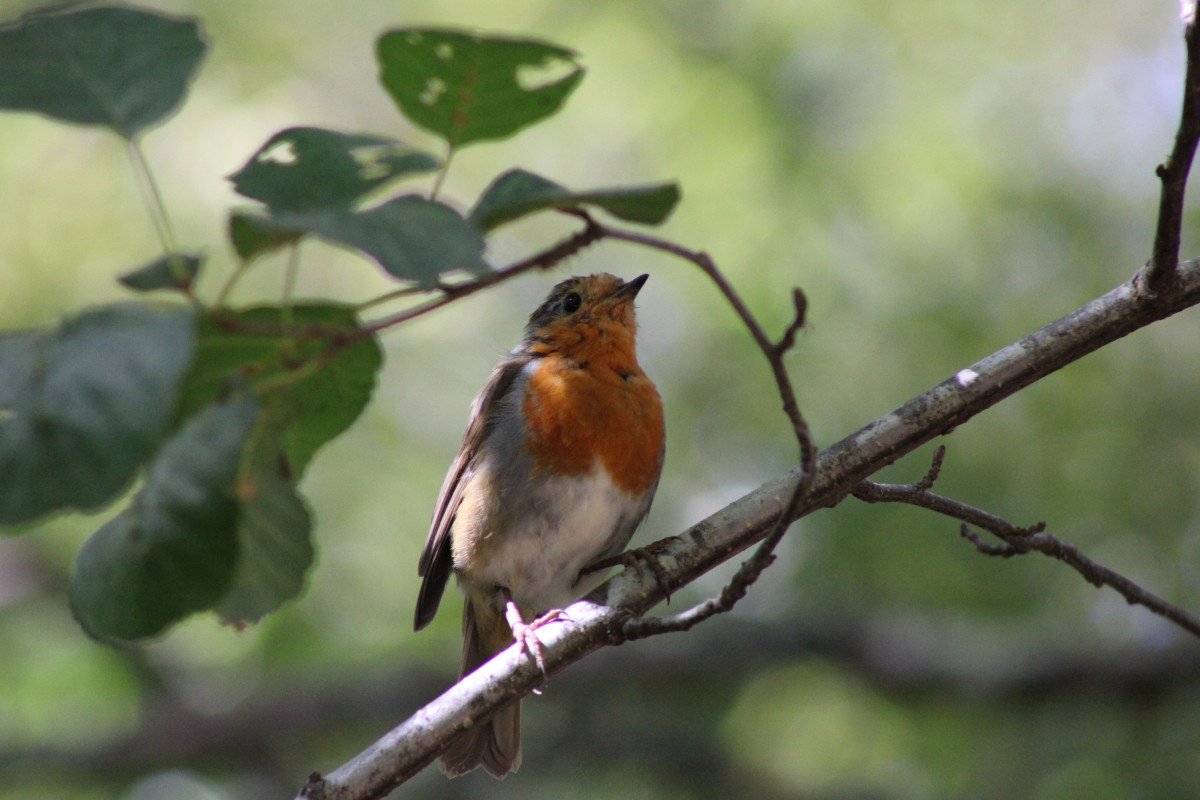
Start small
You do not need to begin with a long hike.
A 10 or 20-minute walk around a local park or green space can be a good starting point. As fitness improves, the distance and pace can gradually increase.
The important thing is to find a routine that is enjoyable and realistic enough to maintain.
So next time you have a spare 20 minutes, instead of staying indoors, consider putting on a comfortable pair of shoes and taking a walk outside.
Sometimes, a simple walk through nature can be a good way to give your body a little exercise and your mind a much-needed break.

Editor & Founder | SalisburyPost Passionate about local journalism, I am dedicated to delivering trusted news and strengthening connections across Salisbury and Wiltshire. Through SalisburyPost, I aim to keep residents informed, celebrate community achievements, and highlight the stories that matter most to local people.

















Comments (0)