

Black Friday Scams: How to Check a Deal Is Real Before You Pay
Fraudsters are using Black Friday and the January tax return deadline to trick shoppers. Here is how to spot fake deals, fake HMRC messages and stay safe.
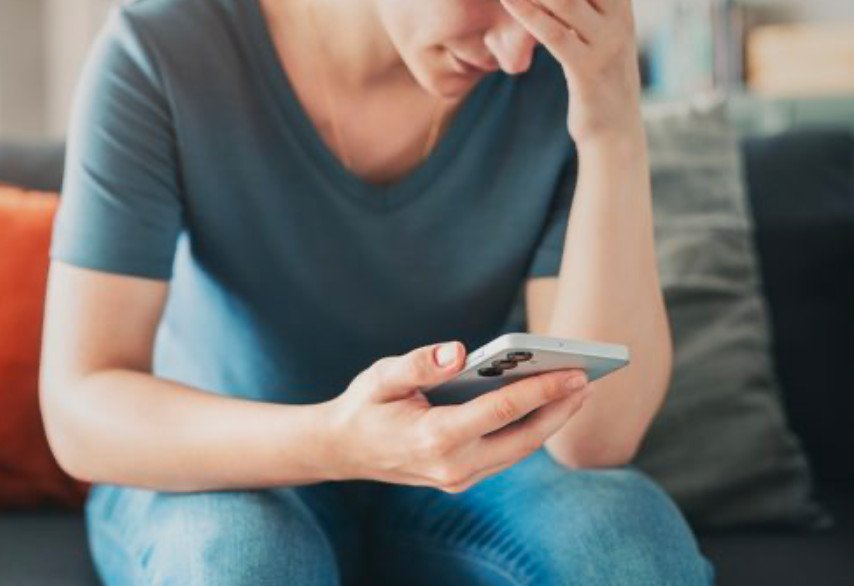
Black Friday falls on Friday 27 November this year, and shoppers in Salisbury and across the UK are already hunting for bargains. Unfortunately, fraudsters are hunting too, and they are hoping you will click before you think.
BBC News reported this month that criminals take advantage of two busy dates: Black Friday and the end-of-January Self Assessment tax return deadline. People expect more emails, texts and online adverts at these times, which makes fake messages easier to slip through.
The tricks are usually the same. Scammers copy the look of a well-known shop or a government body and steer people towards a fake website, where personal details and payment information are harvested or money is taken for goods that never arrive.
Start with the countdown timer. Barclays fraud expert Kirsty Adams told the BBC that no deal is worth rushing for. A ticking clock or a limited-stock banner is designed to make you pay before you have checked anything, so pause first.
Open the retailer's official website or app yourself rather than clicking a link in an email, text, advert or social media post. A lookalike account can copy a brand's logo and style very convincingly, and it may appear in your feed because of an advert.
Pay in the safest way. Barclays advises using a credit or debit card through a trusted payment service, not a bank transfer to someone you do not know. Card payments usually offer more routes to dispute a payment if something goes wrong.
If a price looks far too good to be true, trust that feeling. Compare it with the same item on the retailer's own site and a couple of other shops. Check reviews, look for a clear returns policy and a genuine business address.
Tax scams deserve special care. HMRC told it received 95,340 reports of suspected scams in the year to the end of October, including around 900 about emails with a malicious attachment that led to a fake gov.uk page.
HMRC says it never contacts people by email, text or phone to say they are due a refund or to ask them to claim one. It does not ask for personal or financial details by email or text, and it does not leave threatening voicemails about legal action or arrest.
If you are unsure, do not reply. You can check whether an HMRC email, text or call is genuine on GOV.UK. Forward suspicious emails to report@phishing.gov.uk and forward scam texts to 7726. If you think you have been scammed, contact your bank straight away and talk to someone you trust.

Editor & Founder | SalisburyPost Passionate about local journalism, I am dedicated to delivering trusted news and strengthening connections across Salisbury, Wiltshire and the wider UK . Through SalisburyPost, I aim to keep residents informed, celebrate community achievements, and highlight the stories that matter most to local people.













Comments (0)