

Cruise ship pollution may help viruses spread, Southampton study suggests
A University of Southampton study suggests pollution from cruise ships may weaken the body's antiviral defences, allowing COVID-19 and common cold viruses to replicate more easily in laboratory tests.
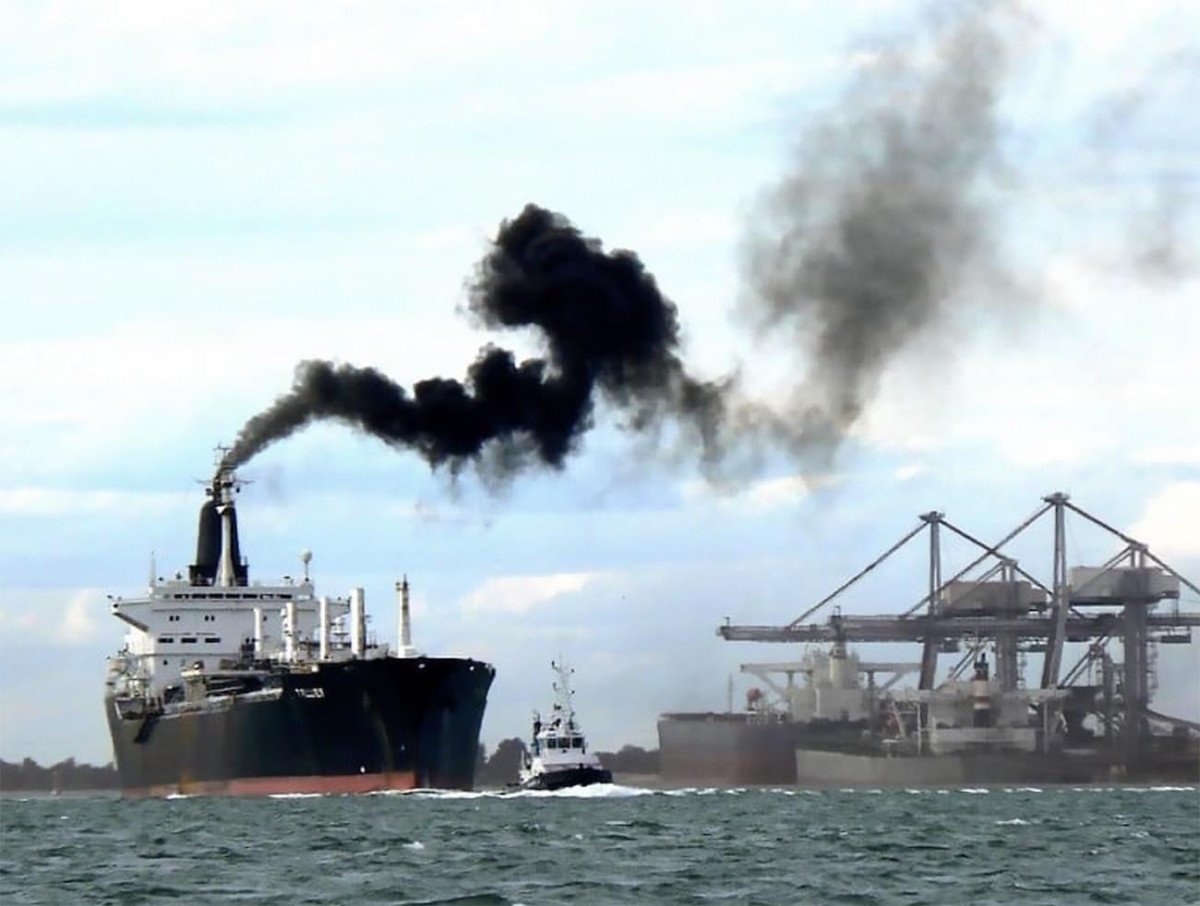
Air pollution produced by cruise ships could make it easier for viruses such as COVID-19 and the common cold to infect people, according to new research led by scientists at the University of Southampton.
The study traced ultrafine air pollution particles in Southampton to cruise ships operating at the city's busy port. Researchers found that these particles appeared to weaken the body's natural antiviral defences while increasing inflammation in laboratory-grown human lung cells.
Scientists identified metals including vanadium, nickel and cobalt as key markers of pollution from cruise ship emissions. Air monitoring showed the highest concentrations were recorded near Southampton's cruise terminals, particularly when ships were docked and winds carried emissions inland.
Laboratory tests suggested that exposure to the particles, especially vanadium, reduced the activity of genes responsible for fighting viral infections. Researchers also found evidence that viruses, including SARS-CoV-2 and rhinoviruses, were able to replicate more easily in exposed cells.
Lead researcher Dr Nat Easton said the team observed higher pollution levels when cruise ships were present, while Professor Matthew Loxam said the findings highlighted the need to better understand the health impacts of ultrafine particles produced by ships burning fuel.
The Port of Southampton, operated by Associated British Ports (ABP), said it was proud of its environmental record and questioned parts of the study's methodology. ABP noted that Southampton became the first UK port to install large-scale shore power, allowing compatible cruise ships to switch off their engines while berthed and reduce emissions.
The British Ports Association added that ports across the UK are investing in cleaner fuels, electrification and new technologies to reduce emissions and improve air quality.
Researchers stressed that the findings were based on laboratory studies and do not prove that cruise ship emissions directly cause viral infections in people. However, they say the results support further research into the health effects of air pollution around major ports.

Editor & Founder | SalisburyPost Passionate about local journalism, I am dedicated to delivering trusted news and strengthening connections across Salisbury and Wiltshire. Through SalisburyPost, I aim to keep residents informed, celebrate community achievements, and highlight the stories that matter most to local people.



















Comments (0)