

How one woman discovered the “herbal” sleeping pills she relied on were actually a powerful prescription drug
Fiona Cameron spent a year on Amazon “herbal” sleep pills that turned out to be prescription zopiclone. She developed a dependency, suffered severe withdrawal and lost a year of work. MHRA and Amazon are investigating.
Fiona Cameron had battled insomnia for most of her adult life. On good nights she managed four or five hours; on bad ones she barely slept at all.
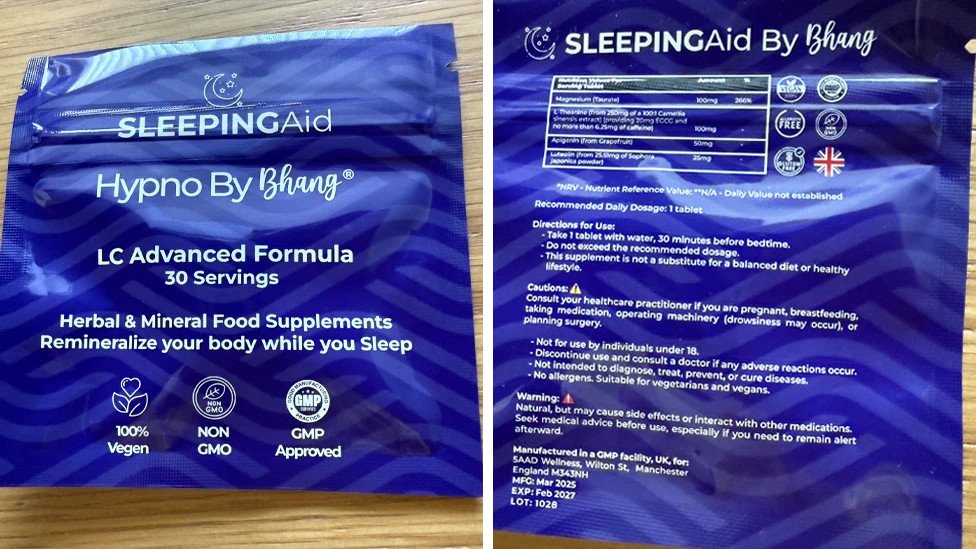
Pharmacy remedies never really helped and she had turned down a short course of the prescription drug zopiclone from her GP, determined to manage without it.Last year she spotted a product on Amazon called Hypno by Bhang.
It was sold as a “herbal sleep aid” and listed everyday minerals such as magnesium. She bought a pack to try. The tablets worked dramatically better than anything else she had used, so she set up a subscription and kept ordering more whenever stock ran low.
Over the following twelve months she spent around £1,100.Only later did worrying customer reviews make her look closer. She sent an unopened packet to WEDINOS, the free drug-testing service run by Public Health Wales. The result was unambiguous: the pills contained 100 per cent zopiclone, a controlled medicine meant only for short-term use under medical supervision.By then Fiona was already dependent.
When she stopped, she endured weeks of intense withdrawal she described as “hyperinsomnia” – feeling wired and unable to rest around the clock. As a fiction writer she lost an entire year of productive work, later realising she had spent most of that time heavily sedated.
Zopiclone is normally prescribed for no more than a week or so precisely because longer use risks dependence and rebound insomnia. Laura Wilson, director for Scotland at the Royal College of Pharmacy, stressed that when the drug is used correctly it can help patients reset their sleep pattern, but extended unsupervised use carries clear dangers, including anxiety, agitation and nausea.Fiona bought the tablets from three different third-party sellers on Amazon.
Packaging claimed they were made by a company in Greater Manchester. None of the firms replied to questions. Amazon has since removed the listings, said it is investigating and pointed out that third-party sellers are independent businesses required to follow the law.
The Medicines and Healthcare products Regulatory Agency is also looking into the case.When Fiona complained, Amazon referred her to a loss-adjuster firm and offered no apology. She remains appalled by the response.
Her experience is a stark warning about the risks of buying so-called herbal remedies online: what looks natural on the label can sometimes turn out to be a potent prescription drug with serious consequences for anyone who takes it long-term without medical oversight.

Editor & Founder | SalisburyPost Passionate about local journalism, I am dedicated to delivering trusted news and strengthening connections across Salisbury and Wiltshire. Through SalisburyPost, I aim to keep residents informed, celebrate community achievements, and highlight the stories that matter most to local people.














Comments (0)