

The Beat Magazine: A Look Inside the UK Print Title Keeping Classic Pop and Rock Alive in 2026
Discover why The Beat magazine remains a favourite for fans of classic rock, pop and nostalgia, with exclusive interviews, reviews and UK gig guides.
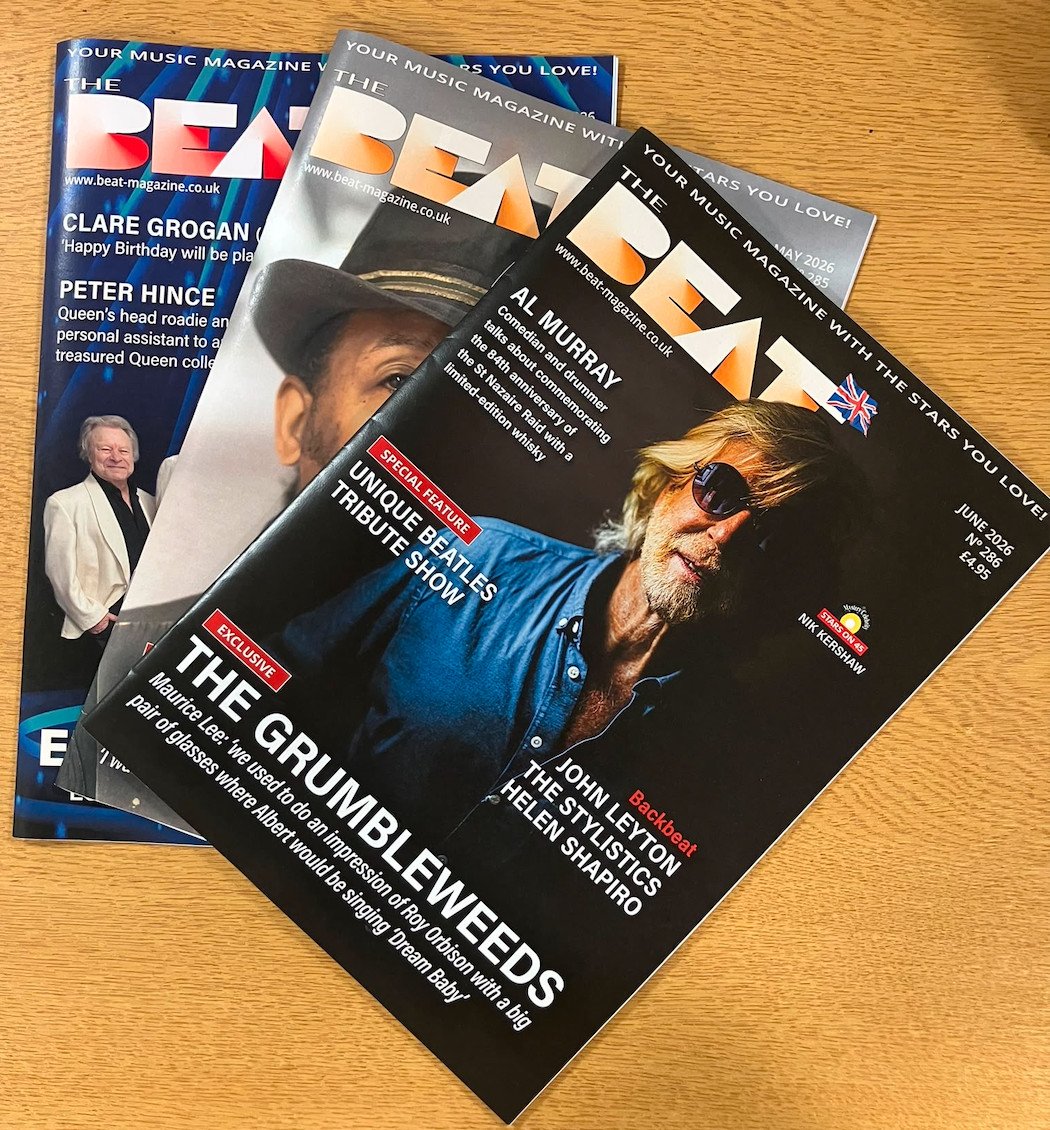
Pick up a copy of The Beat and the first thing you notice is how little it apologises for what it is. There is no attempt to chase whatever is trending on streaming charts this week, no breathless coverage of an artist who broke through last month. Instead you get Nik Kershaw talking about the records his parents owned, Al Murray explaining why he bottled a whisky to mark a wartime commando raid, and a founding member of The Grumbleweeds recalling the night Roy Orbison sat in and watched their act. For a certainkind of music fan, that mix is the whole appeal, and it explains why a monthly print magazine built around six decades of British pop and rock still lands on newsstands and doormats every month.
What The Beat actually is
The Beat is a British music monthly, priced at £4.95 an issue and published out of Kingsley House in Wilton, near Salisbury. The edition I looked through was number 286, which tells you something on its own: this is a title with a long run behind it and a settledsense of who it serves. You can find it online at beat-magazine.co.uk, though the print edition remains the heart of the operation, sold as single copies, by subscription, and shipped as far as readers overseas are willing to pay postage for.
The tagline on the cover, "your music magazine with the stars you love," is a fair summary of the editorial line. The stars in question are largely the artists who defined British and American popular music from the late 1950s through the 1980s, and the magazinetreats them as living, working figures rather than museum pieces. A single issue moves from an interview with an eighties chart name to a feature on a 1960s girl group, a jazz box-set review, and a set of festival previews, all handled by a small roster ofnamed contributors who clearly know the territory and have covered it for years.
The range inside a single issue
What struck me most, coming to the magazine as an outsider, was how much ground it covers without ever feeling scattered. The June 2026 issue alone runs interviews and features on Nik Kershaw, The Grumbleweeds, Al Murray, John Leyton, The Stylistics, and HelenShapiro, then folds in news on the Rolling Stones, Thin Lizzy, Carly Simon, and Bon Jovi. There is an affectionate obituary for Tony Wilson of Hot Chocolate, a report on Global Beatles Day gaining official recognition from Apple Corps, and a documentary write-upon Stewart Copeland of The Police.
The reviews section, credited to regular writers like Russell Newmark and Martin Hutchinson, digs into reissues and biographies with real depth, covering everything from a John Coltrane anniversary re-release to a Def Leppard book and a rediscovery of LabiSiffre driven by his song resurfacing on TikTok. That last detail is worth pausing on, because it shows the magazine is not sealed off from the present. It notices when a fifty-year-old track finds a new audience through a film soundtrack or a social feed,and it treats that as part of the same ongoing story rather than an intrusion from a different world.
Rounding things off is a substantial listings section, the Good Gig Guide, packed with tour dates for heritage acts working their way around theatres, holiday parks, and summer festivals across the UK. For a reader whose idea of a good night out is Marty Wildewith The Wildcats or The Drifters at a seaside pavilion, those pages are arguably the most valuable in the magazine.
Why a print title like this still works
It would be easy to file The Beat under nostalgia and leave it there, but that undersells what is happening. There is a broader shift going on in publishing, and the trade press has been tracking it for a while now. Writing in The Drum, one analysis of themagazines that have refused to fold noted that print titles are trusted far more than social platforms, with something like seventy per cent of magazine readers saying they trust the magazines they read, against roughly thirty per cent of social media userswho say the same of their feeds. You can read that broader argument in The Drum's look at the magazines that refuse to die. The Beat benefits from exactly that dynamic. Its readers are not scrolling past it between other things. They have paid for it, theykeep it, and they return to it.
The other reason it works is focus. The magazine knows its subject and its audience with a precision that larger, glossier titles often lack. It is not trying to be everything to everyone, and that clarity lets it serve a devoted readership better than a broaderpublication could. When the writing turns to an artist, it assumes you care about the details of a chart run in 1961 or the story behind a B-side, and it rewards that care with the kind of knowledgeable, unhurried coverage that is hard to find elsewhere.
A magazine that knows exactly who it is for
Spending time with an issue leaves you with a clear impression of a publication that is comfortable in its own skin. The Beat is not chasing a younger demographic it was never built for, and it is not pretending the artists it loves are anything other thanveterans, many of them still touring and recording well into their seventies and eighties. What it offers instead is continuity, a monthly reminder that the music of the pre-streaming era still has performers on the road, fans in the seats, and stories leftto tell.
For anyone who grew up with this music, or who simply enjoys reading about it done properly, the magazine is an easy recommendation. It does something specific and it does it with evident affection, month after month, issue after issue. In a media landscapethat often mistakes speed for value, there is a lot to be said for a title that takes its time, trusts its readers, and keeps the stars they love in print.

Editor & Founder | SalisburyPost Passionate about local journalism, I am dedicated to delivering trusted news and strengthening connections across Salisbury and Wiltshire. Through SalisburyPost, I aim to keep residents informed, celebrate community achievements, and highlight the stories that matter most to local people.


















Comments (0)