

Patient tested for suspected Ebola virus at Glasgow hospital as precautionary measures activated
A patient is being tested for suspected Ebola at Glasgow’s Queen Elizabeth University Hospital, with health officials stressing that the risk to the public remains low as investigations continue.
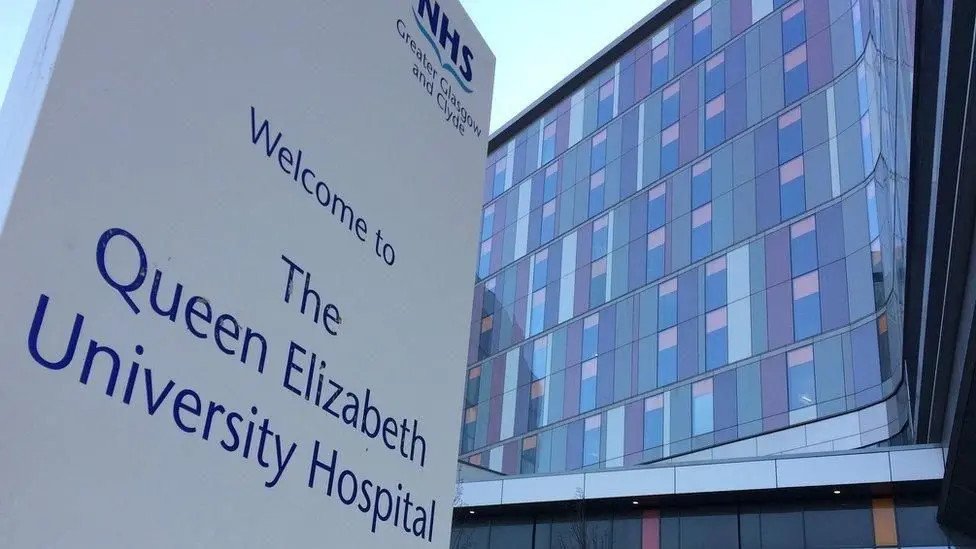
A patient is being tested for suspected Ebola virus at the Queen Elizabeth University Hospital in Glasgow, health officials have confirmed.
The individual was admitted in the early hours of Tuesday, with specialist tests currently underway to determine whether they have contracted the rare but serious disease.
If confirmed, it would mark the first Ebola case in the UK in recent years, following an outbreak in the Democratic Republic of Congo that the World Health Organization has declared a public health emergency of international concern.
Public Health Scotland (PHS) is working closely with the UK Health Security Agency (UKHSA) to trace potential routes of exposure and assess any risk to the public. Officials have stressed that the likelihood of wider transmission remains low.
A spokesperson for PHS said: “There are currently no confirmed cases of Ebola in Scotland and the risk to the general public remains low.” They added that established protocols are in place for assessing and testing anyone arriving in the UK from affected regions.
Health authorities also confirmed that the UKHSA Returning Workers Scheme has been activated, which monitors individuals who may have been exposed to the virus while working in outbreak-affected countries.
Contact tracing procedures would be launched immediately if a case were confirmed, with close contacts potentially undergoing precautionary testing and clinical assessment.
The development follows recent international concern after France confirmed its first Ebola case in a doctor returning from humanitarian work in the Democratic Republic of Congo.
Ebola is a severe viral illness transmitted through direct contact with bodily fluids and is not spread through the air, meaning casual contact does not pose a risk. Symptoms typically include fever, fatigue, vomiting and, in severe cases, internal bleeding and organ failure. (who.int)
Previous UK cases are rare but include nurse Pauline Cafferkey, who contracted the virus in 2014 after returning from Sierra Leone during a major outbreak. She later recovered following intensive treatment at a London hospital.
Officials continue to urge the public not to panic while investigations are ongoing, stating that all necessary containment procedures are in place.

Editor & Founder | SalisburyPost Passionate about local journalism, I am dedicated to delivering trusted news and strengthening connections across Salisbury and Wiltshire. Through SalisburyPost, I aim to keep residents informed, celebrate community achievements, and highlight the stories that matter most to local people.












Comments (0)