

Salisbury Hospital reminds residents to choose the right care for their health needs
Salisbury NHS Foundation Trust explains where residents should go for medical help, including NHS 111, pharmacies, GPs, the Salisbury Walk-In Centre and A&E.
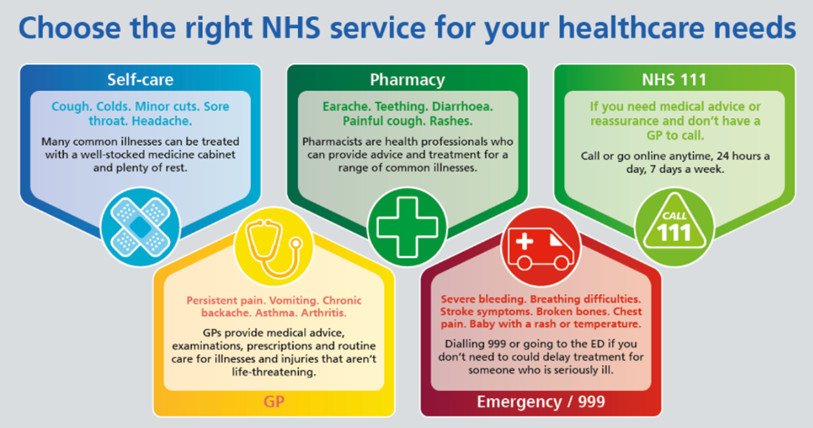
Salisbury NHS Foundation Trust is reminding local residents that knowing where to go for medical help can make it easier to receive the right treatment at the right time, while also helping emergency services remain available for people who need urgent care. The Trust has published guidance explaining the different healthcare options available across Salisbury and the surrounding area, from pharmacies and GPs to NHS 111, the Salisbury Walk-In Centre and hospital emergency services.
For urgent but non-life-threatening health concerns, residents can contact NHS 111 online, through the NHS App or by calling 111 at any time. Trained advisers can assess symptoms and direct patients to the most appropriate service, which could include a GP, pharmacist, urgent treatment centre or another local NHS service.
Local pharmacies can also provide advice and treatment for many common illnesses without the need for a GP appointment. Some pharmacies can now prescribe medicines for certain conditions, making them a useful first point of contact for a range of everyday health problems.
For people in Salisbury who need treatment for a minor illness or injury when their GP is closed, the Salisbury Walk-In Centre at Millstream House on Avon Approach can provide help. The centre is open from 6.30pm to 10pm on weekdays and from 8am to 8pm at weekends and bank holidays.
The Trust says the Walk-In Centre is suitable for many urgent problems that are not life-threatening, while minor injuries can also be treated at Minor Injuries Units in the surrounding area. These services can deal with problems including minor head injuries, fractures, bites, minor burns and wounds.
For ongoing health conditions, routine medical care, prescriptions and non-urgent concerns, residents should continue to contact their GP practice. GPs have access to patients' medical histories and can provide personalised advice and treatment.
Salisbury NHS Foundation Trust is also asking residents to remember that A&E is for serious and life-threatening illnesses and injuries. Examples include severe breathing difficulties, signs of a stroke, major trauma, severe bleeding and serious chest pain. In a life-threatening emergency, people should call 999 immediately.
The Trust says choosing the most appropriate service can help patients receive care more quickly from the healthcare professionals best placed to deal with their particular needs. It can also reduce unnecessary pressure on emergency departments and allow hospital teams to focus on the most seriously ill patients.
The guidance comes as the Trust continues to encourage people across Salisbury and the surrounding area to understand the different healthcare options available locally.
Residents who are unsure where to seek help can use NHS 111, either online or by telephone, for advice and guidance on the most appropriate service.

Editor & Founder | SalisburyPost Passionate about local journalism, I am dedicated to delivering trusted news and strengthening connections across Salisbury and Wiltshire. Through SalisburyPost, I aim to keep residents informed, celebrate community achievements, and highlight the stories that matter most to local people.




















Comments (0)