

Salmonella outbreak linked to flavoured noodles sickens more than 100 across Europe
More than 100 people across Europe and the UK have been infected in a Salmonella outbreak linked to flavoured instant noodles, prompting recalls and an urgent food safety warning.
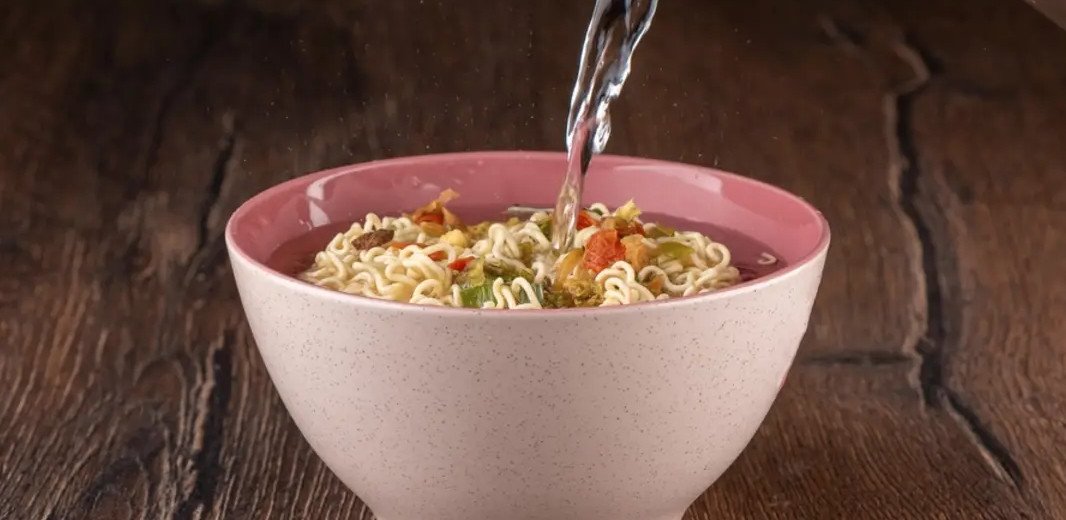
European health authorities have linked a multi-country outbreak of Salmonella Stanley infections to flavoured instant noodle products, with more than 100 confirmed cases reported across Europe and the UK.
The European Food Safety Authority (EFSA) and the European Centre for Disease Prevention and Control (ECDC) said flavoured noodles from the same brand are the most likely source of the outbreak after epidemiological and laboratory investigations.
Between November 2025 and June 2026, 106 confirmed infections were recorded in 13 European Union and European Economic Area countries, as well as the United Kingdom. At least 49 people have been hospitalised, with children and young adults making up the majority of cases.
Investigators detected the outbreak strain of Salmonella Stanley in chicken-flavoured and hot chicken-flavoured noodle products distributed in several countries. Traceability investigations linked the affected products to the same manufacturer in Ukraine, although officials say further work is needed to determine the exact source of contamination.
Food safety authorities have already withdrawn and recalled the implicated products in several countries in an effort to prevent further infections. However, officials warned that additional cases could still occur because instant noodles have a long shelf life and may remain in household cupboards for months.
Consumers are being urged not to eat any recalled products and to either return them to the retailer or dispose of them safely. Authorities also advise following cooking instructions carefully and maintaining good kitchen hygiene when preparing instant noodle products.
Salmonella infection typically causes diarrhoea, stomach cramps, fever and vomiting. While most people recover without treatment, young children, older adults and those with weakened immune systems are at greater risk of developing serious complications. Health officials continue to investigate the outbreak and monitor for new cases across Europe.

Editor & Founder | SalisburyPost Passionate about local journalism, I am dedicated to delivering trusted news and strengthening connections across Salisbury and Wiltshire. Through SalisburyPost, I aim to keep residents informed, celebrate community achievements, and highlight the stories that matter most to local people.



















Comments (0)