

The rising threat of counterfeit £20 notes
In recent months, a significant surge in counterfeit £20 notes has prompted warnings from police forces across the UK.
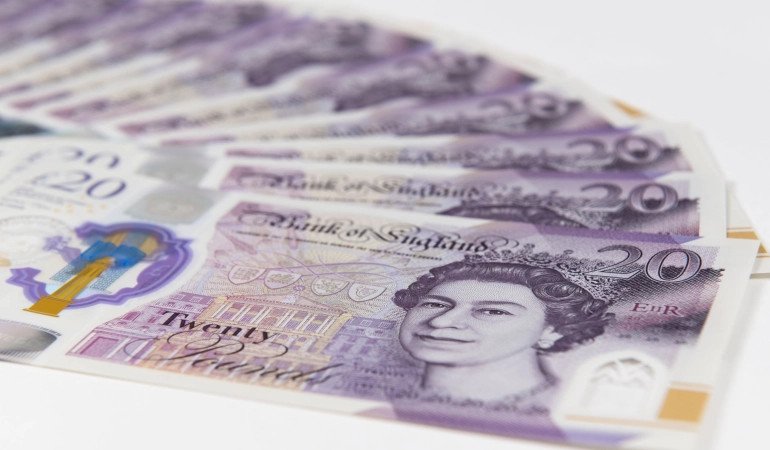
The growing circulation of counterfeit £20 notes is becoming an increasing concern across the UK, particularly in private sales arranged through online marketplaces. Recent incidents reported by police forces around the country highlight the need for greater public awareness when accepting cash payments.
As more people buy and sell items through social media platforms and online classifieds, criminals are exploiting these transactions by using fake banknotes. Understanding how to identify counterfeit currency could save individuals from significant financial losses.
The Changing Face of Counterfeit Crime
Counterfeit money has traditionally been a problem faced by shops and businesses, where staff are often trained to recognise fraudulent notes. However, police are now warning that private sellers are increasingly being targeted.
Leicestershire Police recently reported more than 30 incidents involving fake banknotes being used during online sales, often at sellers' homes. Similar warnings have been issued by police in Nottinghamshire and Cornwall, where one victim reportedly lost £4,700 after accepting counterfeit cash for a bicycle.
This shift means that ordinary members of the public are now more likely to encounter fake notes and must take extra precautions when accepting cash payments.
How to Spot a Fake £20 Note
The Bank of England's polymer £20 note contains several sophisticated security features designed to make counterfeiting difficult. Checking multiple features is the best way to confirm a note is genuine.
1. Check the Holographic Window
A genuine polymer £20 note features a large transparent window containing a portrait of either King Charles III or Queen Elizabeth II. The words "Bank of England" and the note's value are printed around the edge of the window.
The window should appear crystal clear and sharply defined. A cloudy, blurred or poorly printed window could indicate a counterfeit.
2. Tilt the Note
On the front of the note is a silver foil hologram. When tilted, the hologram should clearly change between the words "Twenty" and "Pounds".
If there is no colour or wording change, the note may not be genuine.
3. Feel the Raised Print
Authentic banknotes have raised printing that can be felt by touch. The words "Bank of England" and the large numerical value in the lower corner should feel textured.
If the entire note feels completely smooth, it should be treated with suspicion.
Other Security Features to Check
Additional features found on genuine £20 polymer notes include:
- Purple Foil Patch: Located on the reverse side of the note and containing the letter "T".
- Monarch's Portrait: A detailed portrait appears within the transparent window.
- 3D Coronation Crown: A silver foil patch above the main window contains a three-dimensional image of the coronation crown.
- High-Quality Printing: Genuine notes display sharp lines, crisp colours and clear detail without smudging or blurred edges.
- Ultra-Violet Feature: Under UV light, the number "20" appears in bright red and green against a dull background.
Beware of Counterfeit Detection Pens
Experts warn that counterfeit detection pens are no longer considered reliable for checking polymer banknotes.
These pens were originally designed for older paper notes and may fail to identify counterfeit polymer currency. Relying solely on a detection pen could provide a false sense of security.
Instead, individuals are encouraged to manually check the built-in security features on every note they receive.
What Should You Do if You Receive a Fake Note?
If you suspect that a banknote is counterfeit, it is important to act responsibly.
Do Not Spend It
Attempting to pass on a counterfeit note is a criminal offence, even if you unknowingly received it from someone else.
Report It to Police
Take the suspected counterfeit note to your local police station and report the circumstances in which you received it. The note will be confiscated and investigated.
Unfortunately, the Bank of England does not reimburse members of the public for counterfeit banknotes, meaning victims usually bear the financial loss themselves.
Safer Ways to Get Paid
For high-value sales arranged online, experts recommend using electronic payment methods such as bank transfers wherever possible.
Digital payments create a record of the transaction and remove the risk associated with handling cash.
If cash payment is unavoidable, sellers should:
- Meet in a safe, public location where possible.
- Carefully count all money before handing over goods.
- Examine each banknote individually.
- Consider completing transactions at a bank branch where notes can be verified immediately.
Stay Vigilant
The increase in counterfeit £20 notes being used in private sales serves as a reminder that everyone should remain vigilant when accepting cash.
By familiarising yourself with the security features of genuine banknotes and taking sensible precautions during transactions, you can help protect yourself from fraud and reduce the spread of counterfeit currency.

Editor & Founder | SalisburyPost Passionate about local journalism, I am dedicated to delivering trusted news and strengthening connections across Salisbury and Wiltshire. Through SalisburyPost, I aim to keep residents informed, celebrate community achievements, and highlight the stories that matter most to local people.


















Comments (0)