

How can I get air conditioning in my home and how much does it cost?
Thinking about installing air conditioning at home? Find out the different types available, installation costs, running costs and the best ways to keep your home cool.
With hotter summers and more frequent heatwaves becoming a reality in the UK, more homeowners are looking at ways to keep their properties cool and comfortable.
Air conditioning was once mainly found in offices, hotels and vehicles, but demand for home cooling systems has increased as temperatures continue to rise.
Many British homes were designed to keep warmth inside during colder months rather than cope with extreme summer heat, leading more people to consider installing air conditioning.
What types of air conditioning are available?
There are three main types of air conditioning systems suitable for homes:
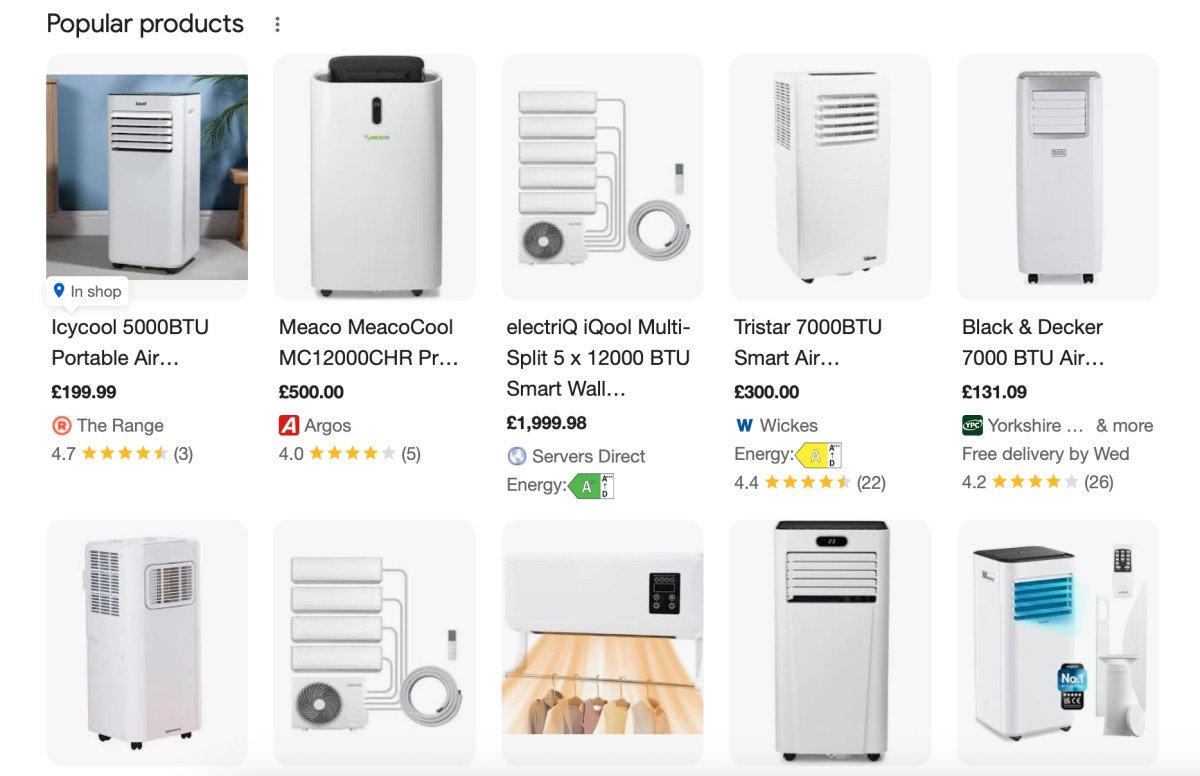
Portable air conditioning units
Portable air conditioners are the simplest option and can be moved between rooms. They work by taking warm air from inside the home, cooling it and releasing hot air outside through a hose placed near a window.
They are easy to install because they usually only need to be plugged into a standard electrical socket.
Portable units are popular with renters and people looking for a short-term cooling solution.
Split air conditioning systems
Split systems are one of the most common choices for homeowners. They include an indoor unit mounted on a wall and an outdoor condenser unit connected by pipework.
These systems are quieter and more energy efficient than portable units, making them better suited for regular use.
Some systems can cool multiple rooms by connecting several indoor units to one outdoor unit.
Ducted air conditioning
Ducted systems are designed to cool an entire property. They use hidden ductwork installed throughout the home, with vents supplying cool air to different rooms.
While they provide whole-home cooling, they are usually the most expensive option because installation can involve major building work.
How much does air conditioning cost?
The cost depends on the type of system, the size of your home and the complexity of installation.
Portable air conditioning units typically cost around £350 to £650, although cheaper models may sometimes be available during periods of high demand.
Wall-mounted split systems usually cost around £750 to £1,100 per unit, excluding installation. A complete installation can often cost between £2,000 and £3,500, depending on the property and number of rooms.
For larger homes, multi-room systems can cost several thousand pounds more.
Ducted air conditioning is the most expensive option, with full installations often ranging from £5,000 to £10,000depending on the size and design of the property.
How much does air conditioning cost to run?
Running costs depend on the efficiency of the unit, electricity prices and how often it is used.
Portable air conditioners generally cost more to run because they are less efficient than fixed systems.
Energy use can be reduced by choosing an efficient model, keeping doors and windows closed while cooling and using timers rather than leaving the system running constantly.
The benefits of having air conditioning
The main advantage is improved comfort during hot weather. Air conditioning can help people sleep better, work more comfortably and reduce the risks associated with extreme heat.
Modern systems can also improve air quality by filtering dust and particles from indoor air.
However, there are some disadvantages. Installation can be expensive, electricity costs can increase and some environmental groups have raised concerns about energy use and cooling chemicals.
Do you need planning permission?
In many cases, homeowners do not need planning permission for small air conditioning installations, provided the external appearance of the property is not significantly affected.
However, rules can vary depending on the property type, location and whether the building is listed.
Homeowners should check with their local council before installing an external unit.
Can heat pumps provide cooling?
Some heat pumps can also work as air conditioning systems.
Air-to-air heat pumps can reverse their operation, taking heat from inside the home during summer and transferring it outside, while providing heating during colder months.
This can make them an alternative option for households looking for both heating and cooling.
How to stay cool without air conditioning
For those who do not want to install air conditioning, there are other ways to reduce heat inside the home:
- Open windows when the outside temperature is cooler.
- Close curtains and blinds during the hottest part of the day.
- Use fans to improve airflow.
- Drink plenty of water and stay hydrated.
- Wear lightweight clothing.
- Take cool or lukewarm showers.
As UK summers continue to become warmer, air conditioning is likely to become a more common feature in British homes, with homeowners balancing comfort, cost and energy efficiency.

Editor & Founder | SalisburyPost Passionate about local journalism, I am dedicated to delivering trusted news and strengthening connections across Salisbury and Wiltshire. Through SalisburyPost, I aim to keep residents informed, celebrate community achievements, and highlight the stories that matter most to local people.














Comments (0)